The One Texture Rule That Keeps a Monochrome Outfit From Looking Flat
A monochrome outfit built from a single color across every piece can read as genuinely visually flat and one-dimensional, and the actual fix for that flatness has nothing to do with breaking the single-color rule — it comes down to deliberately varying fabric texture across the pieces while keeping color completely consistent.
Why a Single-Color Outfit Genuinely Needs Texture Variation
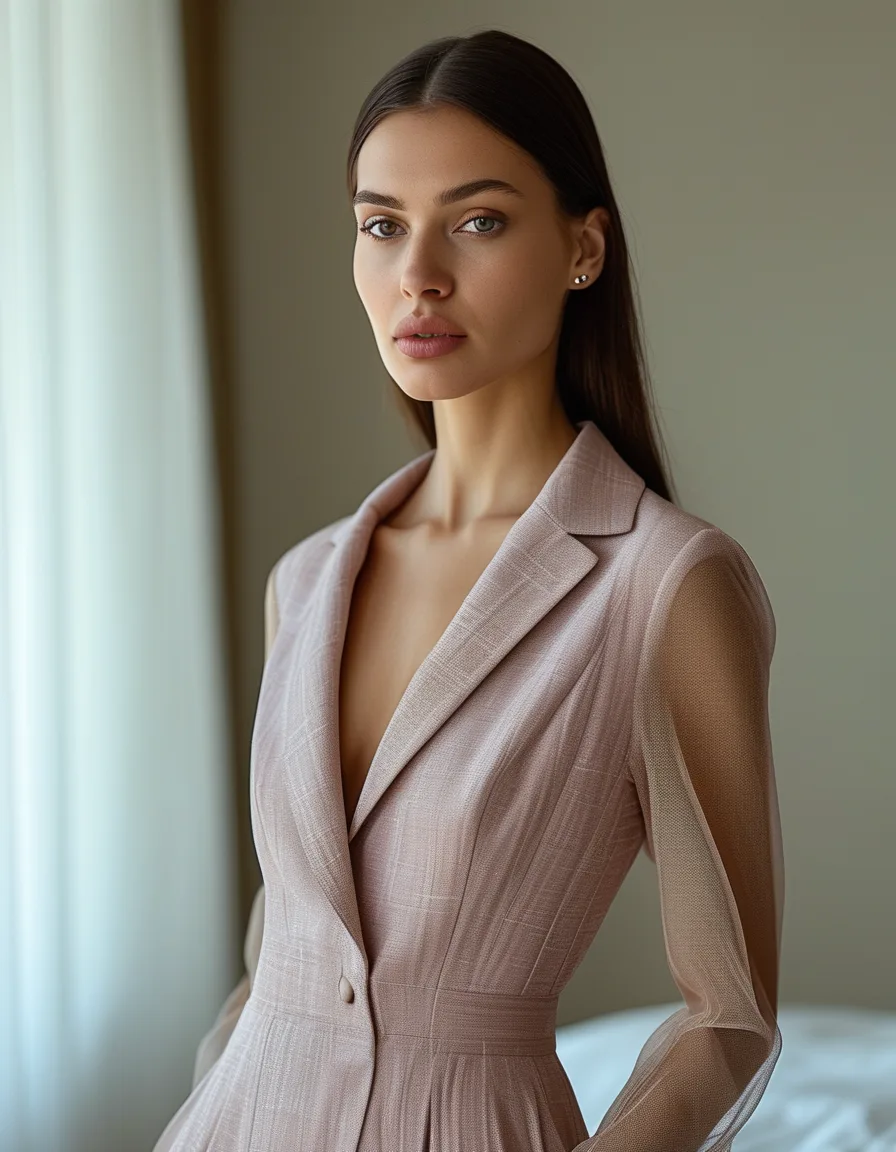
Without any color variation at all to create visual distinction between pieces, an outfit’s visual interest has to come from somewhere else entirely, and fabric texture — how light catches a matte knit versus a sheened satin versus a textured tweed — is the primary remaining variable capable of creating that visual distinction once color has been deliberately held constant across the whole look.
The Specific Texture-Mixing Principle That Solves the Flatness Problem
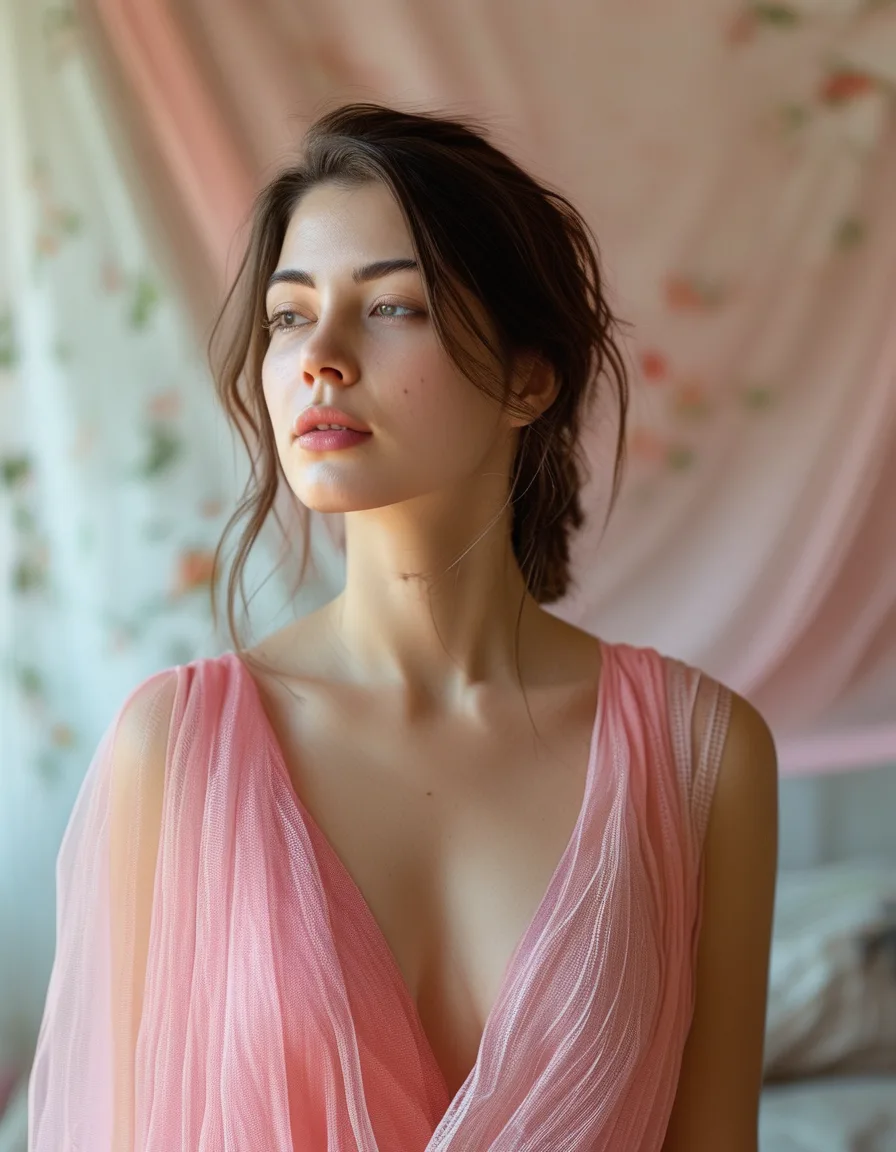
Include at least two genuinely different texture types within the same color palette — for example, a matte, textured knit paired with a smooth, slightly sheened fabric in the identical shade — since that texture contrast creates the visual layering and depth that color variation would otherwise have provided, without breaking the single-color premise of the outfit at all.
Applying Texture Mixing Within a Strictly Single-Color Palette
When shopping for or assembling a monochrome outfit, deliberately choose pieces in noticeably different fabric types within the exact same color — pairing, say, a bouclé jacket with a silky camisole and a matte wool trouser all in the same shade — rather than defaulting to the same fabric type repeated across every single piece, which is what actually produces the flat, one-dimensional effect in the first place.
A monochrome outfit reads as visually flat when every piece uses both the same color and the same fabric texture, since holding color constant removes one major source of visual distinction between pieces, but deliberately including at least two genuinely different texture types — a matte knit against a sheened fabric, for instance — within that same single color creates the visual depth and layering that color variation would otherwise have provided, without abandoning the monochrome premise at all.
Keep Reading
This article is for general styling and informational purposes only. Trends, sizing, availability and pricing may vary by brand and season.